EN
EN  es
es Case 1
Cryoablation for pancreatic cancer survival


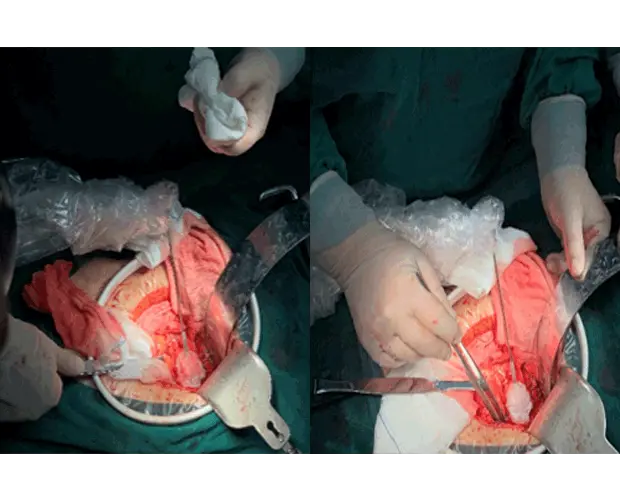
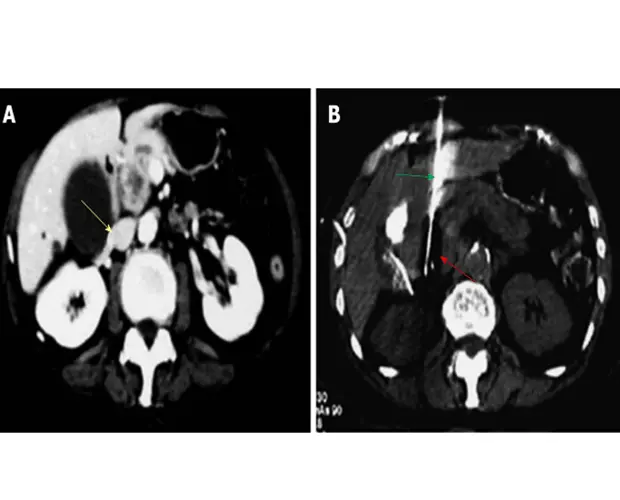
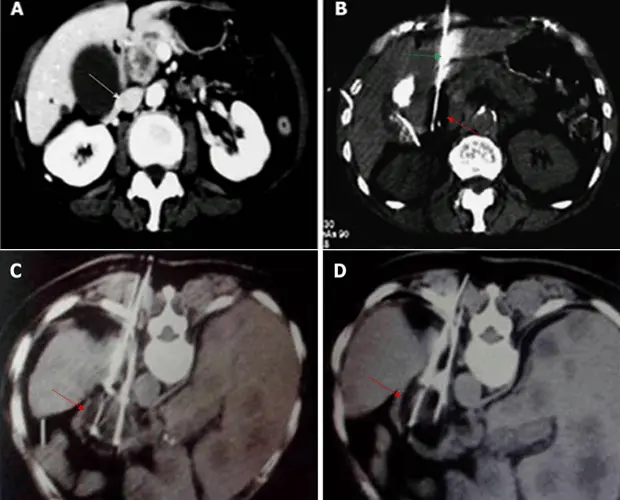
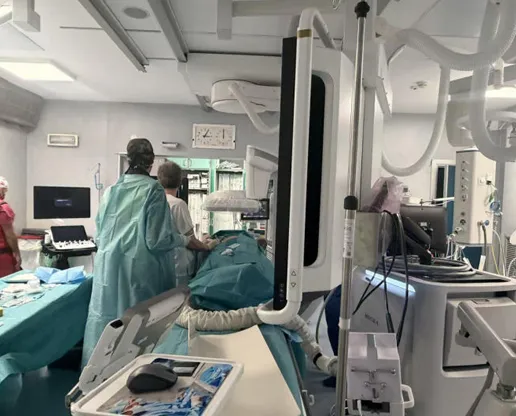
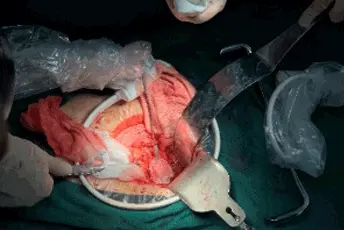
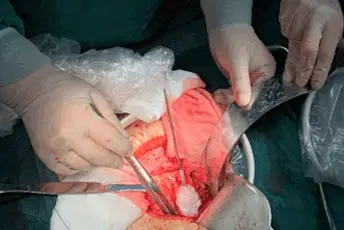
Guided by ultrasound and CT, cryoablation enables real-time monitoring of ice ball formation for precise tumor targeting, safeguarding vital vessels and tissues, and greatly reducing puncture-related complications like pancreatic fistula and bleeding
Minimally invasive with shorter procedure time, cryoablation causes less trauma and enables faster recovery and reduced hospital stay, making it ideal for advanced patients unsuitable for major surgery
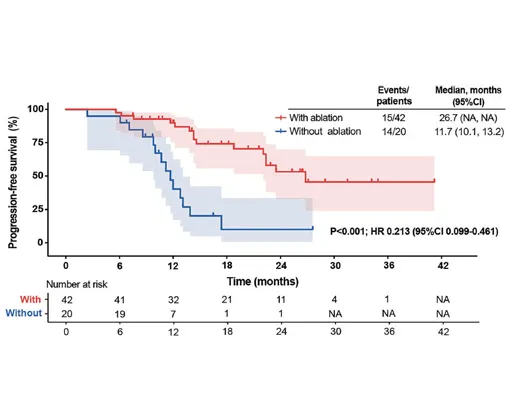
Cryoablation-induced tumor destruction releases abundant antigens that activate the immune system, supporting tumor control. Combined with radiotherapy, chemotherapy, or immunotherapy, it enhances treatment efficacy and improves survival.
References
Qian, Z., et al. (2022). The clinical and experimental study of ablation therapy combined with chemotherapy or chemotherapy alone in the treatment of stage IV pancreatic cancer. Journal of Nanjing Medical University (Natural Sciences), 42(6), 849–853.
Qian, Z. et al. (2021). The clinical study of intraoperative cryoablation therapy and intraoperative combined cryoablation and hyperthermia in the treatment of unresectable pancreatic cancer. Journal of Nanjing Medical University (Natural Sciences), 41(8), 1203–1207.
Luo, X.M. et al. (2016). Advances in cryoablation for pancreatic cancer. PMC, PMC4716077.
He, L. et al. (2017). Clinical Practice Guidelines for Cryosurgery of Pancreatic Cancer. PMC, PMC5555970.
Zhang, C. et al. (2024). Perioperative outcomes and long-term survival of cryosurgery on unresectable pancreatic cancer: a meta-analysis. PMC, PMC11254304.