Key Advantages of Cryoablation in Liver Cancer Treatment (1-4)
Precise Ablation Protecting Normal Tissue
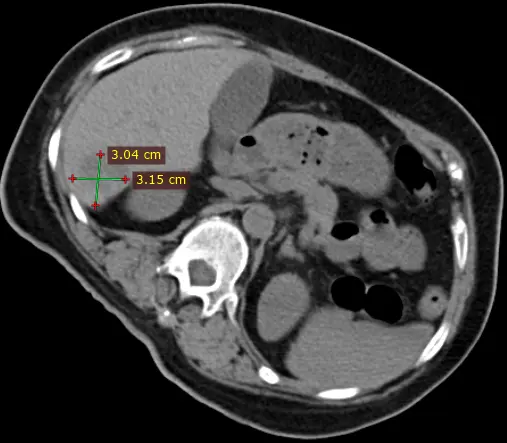
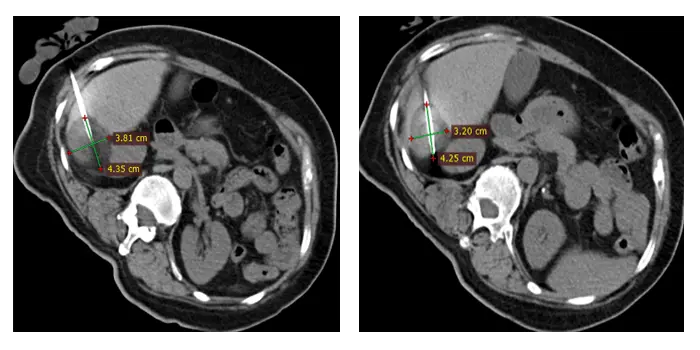
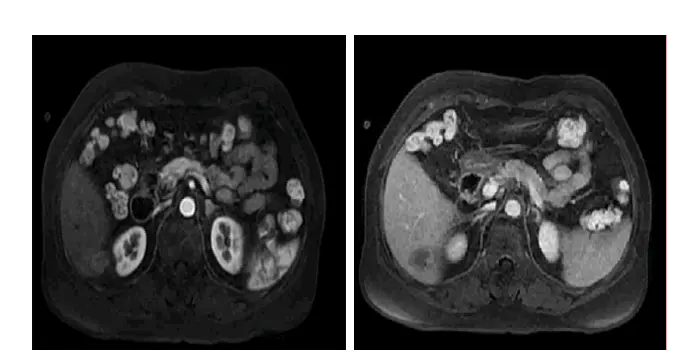
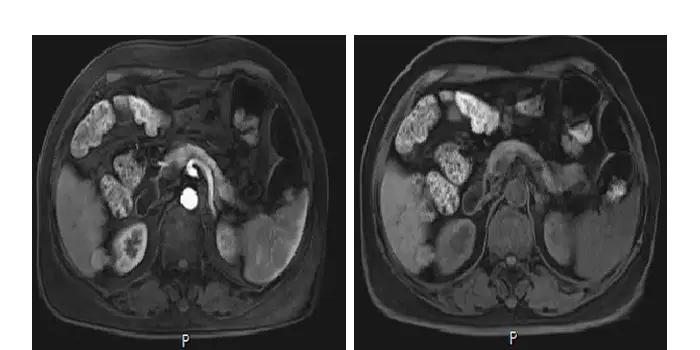
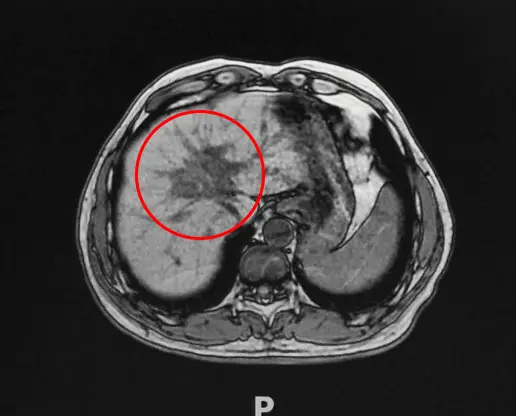
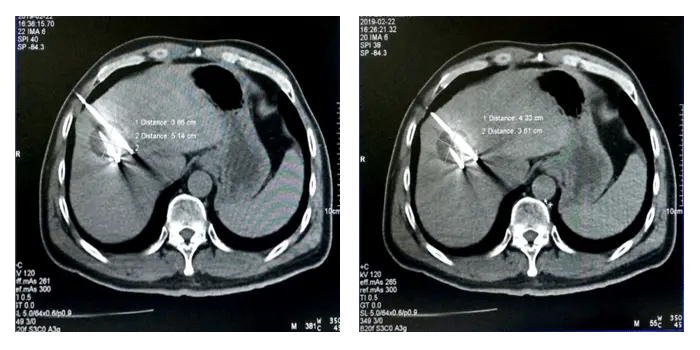
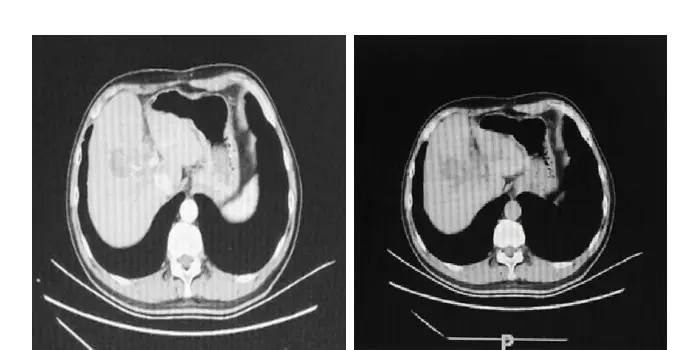
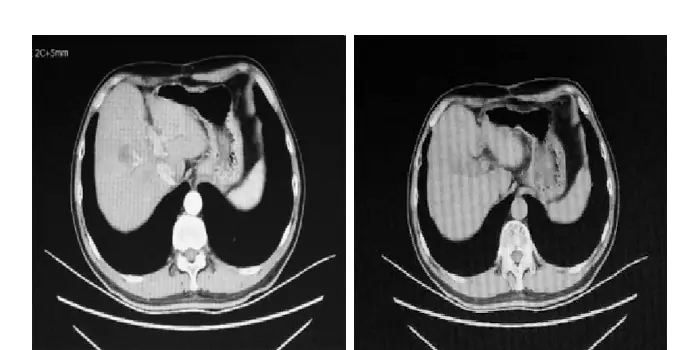
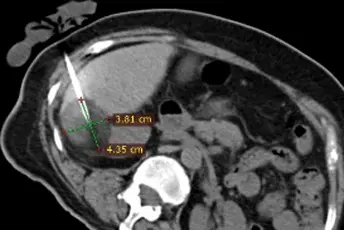
Cryoablation allows real-time CT or ultrasound imaging to precisely control ice ball formation, targeting the tumor while preserving healthy liver tissue and vital vessels, minimizing collateral damage.
Stimulates Immune Response and Enables Innovative Combination Therapies
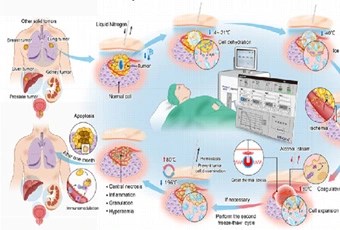
Cryoablation releases abundant tumor antigens, activating the immune system and enhancing immune surveillance. It can be combined with chemotherapy, immunotherapy, and other treatments to boost efficacy and improve long-term tumor control.
Minimally Invasive, Safe, Fast Recovery, and Repeatable Treatment
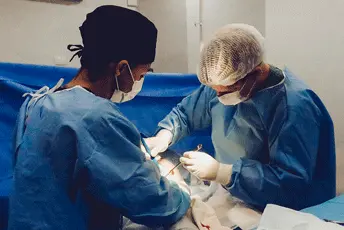
Minimally invasive and safe, cryoablation enables fast recovery with fewer complications. Ideal for patients unsuitable for major surgery, it can be repeated flexibly upon tumor recurrence, expanding treatment options.
References
Guan, H., et al. (2023). Short-term efficacy and safety of CT-guided percutaneous compound cryoablation for liver malignancies. Chinese Journal of Interventional Imaging and Therapy, 20(4), 198–203.
Wang, C. et al., Cryoablation for liver cancer, Cancer Letters, 2019.
Niu, L. Z., et al. (2014). Percutaneous cryoablation for liver cancer. Journal of Clinical and Translational Hepatology, 2(3), 182–188.
Chen, Y., et al. (2022). Cryoablation combined with PD-1 inhibitors for advanced solid tumors: A retrospective study. Frontiers in Immunology, 13, 966008.

 EN
EN  es
es